Kotosh Reaching the mysterious temple of hands clasped in Huanuco, never stops impressive. The sacred space of the men who built it continues to radiate a force that through millennia. What are these apparently crossed hands resting?. Did you ever in our territory of tireless workers could happen that stop the rhythm of their hand. The different domains that were formed, joining after the Inca empire were marked by love of work. It should be noted much of Kotosh hands crossed to reach a conclusion. Can be the hands of a deity at rest after the arduous creation of a new world, the hands of a chief or a priest solemnly forward for a liturgical act, or the hands of an incomparable artist.
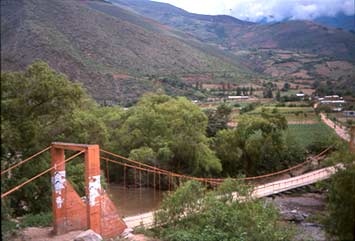
Kotosh I again after some time, but quickly, I note with pleasure the professional treatment that has been made of the place. A suspension bridge on the archaeological group, clean roads, the stones in place. The last time it had been since the rains cement and gave the land and the retaining wall was in the air. The way has now been made preserves and protects the remains that we have a great time. I think the same sensation can feel Augusto Cardich, the scholar who discovered in that same land of great cultures Lauricocha man, the oldest of Peru.
recorder that outlines these enigmatic hands should have responded to a request. In the Western world could even think about death. But among us has a different conception of death. Then there are lifeless hands. Maybe you could even think that they are protective. We hope that one day he found a pot where you may complete the master of these hands and throw light its meaning is now an attraction because it raises questions unanswered.

As archaeologists know the Japanese, who were working on the site and also found the temple of Nichita, want to keep looking back Kotosh testimony, now nominating archaeological park. There are other buildings that should be part of the religious area and it is important to investigate, because in our country, delving into the past is always hard and can Kotosh surprises.
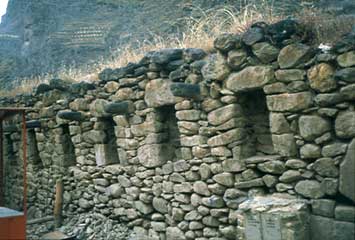
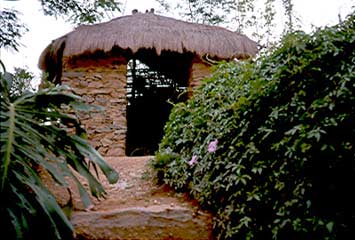
Children living in the vicinity received with joy to the tourists. The old overgrown nose was cleaned. Now discover the double room, small niches that are called Nichita and hands of Peru's most famous clay. They have learned that the thatched roof, positioned to preserve, carry a weave made from the leaves of a palm. The yarina that is cut in full moon night to make it waterproof and resist the rain a long time until it is renewed again.

In recent years there has been careful to preserve the monument. The route is marked and can only be seen inside through discrete space, with enough light. Hands are authentic National Museum of Archaeology and History of Pueblo Libre, Lima, but we note that the reply has been made by millimeter.
People arriving for the first time admiring the archaeological and the environment. Has been placed on the free parts plants in the region, there is a museum with replicas of pottery later, then Kotosh, with pre-ceramic is 4.000 years, the bridge is quaint and not the waves of the river reaches Higueras when waters get angry. There are tables and benches to rest at the end of the ride and make suggestive assumptions. The cameras will not let up but there are postcards of different angles and can comprarl and small souvenirs, key chains, bags, etc.
People arriving for the first time admiring the archaeological and the environment. Has been placed on the free parts plants in the region, there is a museum with replicas of pottery later, then Kotosh, with pre-ceramic is 4.000 years, the bridge is quaint and not the waves of the river reaches Higueras when waters get angry. There are tables and benches to rest at the end of the ride and make suggestive assumptions. The cameras will not let up but there are postcards of different angles and can comprarl and small souvenirs, key chains, bags, etc.
The ticket is cheap. The taxi, round trip, with hopes of an hour has a special price and by prior arrangement, you can go to the archaeological site of Garu, who wears two majestic twin towers to 70 km. Something new to see on this trip that offers more in the great Inca sanctuary of Huanuco Viejo and more distant skyscrapers Tantamayo. Relics that can be opened to tourism when you have a good road.
This is a civic campaign with texts and pictures of Alfonsina Barrionuevo.


0 comments:
Post a Comment